Found Art #9
September 25, 2011

Huge, heavily detailed illustration wheat pasted up on construction site wall panels. Awesome concept with incredible execution. South Brooklyn.
September 25, 2011
Huge, heavily detailed illustration wheat pasted up on construction site wall panels. Awesome concept with incredible execution. South Brooklyn.
September 20, 2011
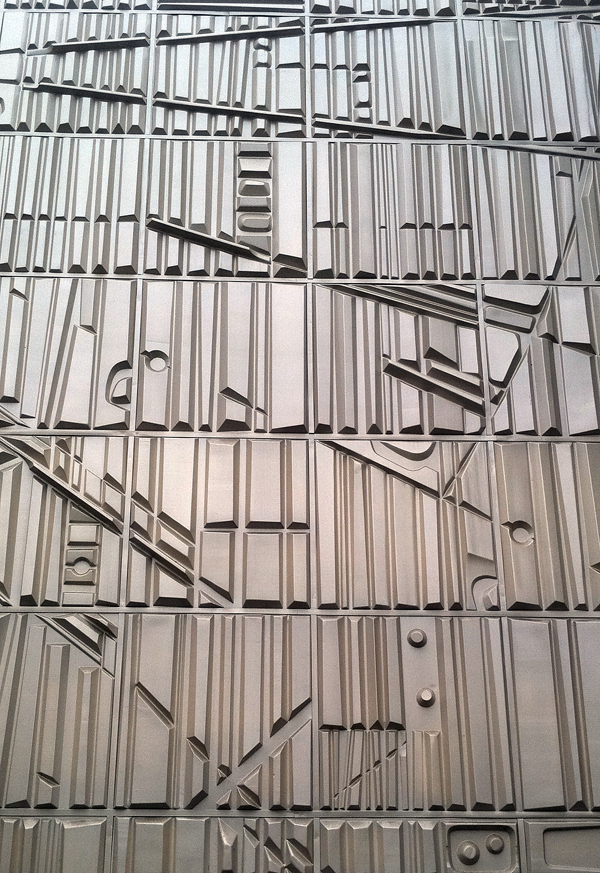
A section of wall from Tomorrowland in Disneyland. I’m completely mesmerized by this kind of psuedo-futuristic architecture. It’s the kind of thing I’ve been growing up with (and obsessing over) since I was a kid reading tons of science fiction. The bevels, the suggestion of order amongst the randomness and in true Disney fashion – the epic scale of it – are awesome. This is only one of the two futuristic walls as you enter Tomorrowland and this photo doesn’t capture the whole thing. It’s huge. It even seems to be referenced in later films such as Star Wars in the design of the surface of the Death Star. In fact, this type of architecture almost seems to be a prerequsite in science fiction which begs the question, how influential was this wall (or Tomorrowland as a whole) in shaping the look and feel of science fiction?
From the official Disneyland site:
Shiny orbs, kinetic sculptures, metallic finishes and mechanical touches also raise your sights skyward, lending a feeling of otherworldliness to the attraction architecture.
I’m not sure if it was part of the original design of Tomorrowland or part of the redesign in 1967. I’m guessing it was part of the 1967 renovation and therefore pre-dates a large portion of the science fiction film genre and can be argued to be a fundamental inspiration for what futuristic architecture should look like. In any case, it’s awesome and I wouldn’t mind my house looking like it.
September 16, 2011
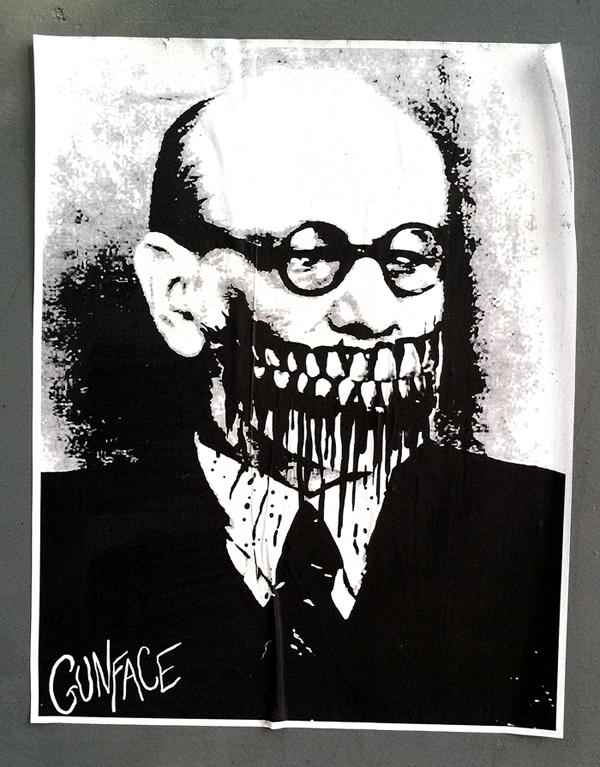
Photocopy wheat pasted on the base of a light post. South Brooklyn.
September 16, 2011

In these heady days of web design and development, with multiple screen sizes, tablets and smarphones, it can be difficult to get proportions and spacing correct. Of course, one would expect a major retailer to have the resources (and care) to get it right. This screenshot was taken on my laptop with a resolution of 1440 x 900 running Firefox 5 on OSX. Nothing too crazy in terms of a web user profile.
Beyond any aesthetic issues with the check box label being too far to the right, the functional issues (or non-functional as the case may be) are what should be of primary concern here. I suspect many users would stumble over connecting these two parts of the form. If it takes folks an extra few seconds to fill out your form, it takes away from the shopping experience and therefore it impacts your brand.
Will it take away from sales? Maybe not initially. I certainly continued with my purchase, but if users are left remembering that the checkout process was annoying, weird, or heaven forbid, difficult, they may be more likely to head to your competitor’s better designed site.
Small improvements can build up to increase satisfaction and in this case, it seems like an important (and easy) fix – especially as this is one of the very last steps in the check out process – right before you click the “purchase” button.
Seems simple enough – in both common sense and in design – but the evidence is clear.
September 3, 2011
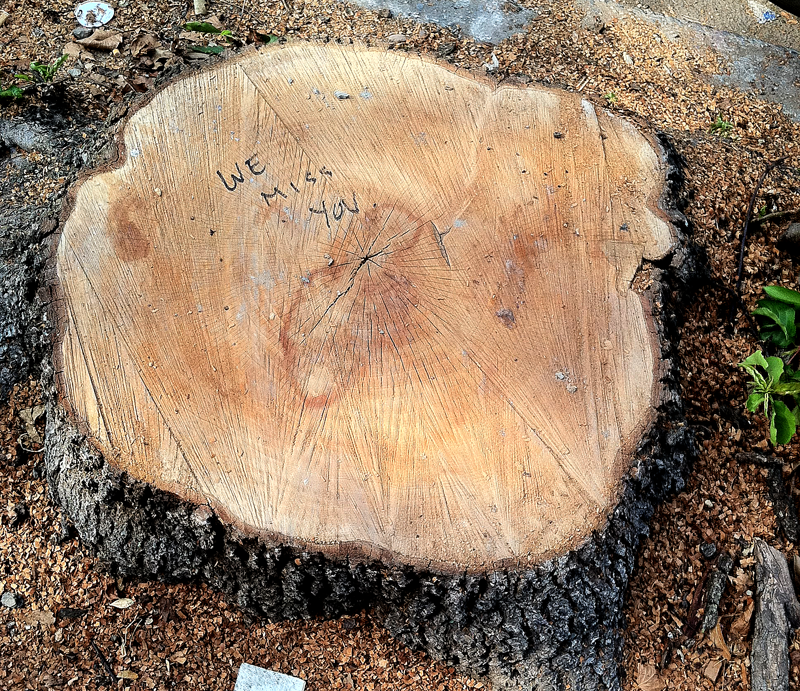
As I’ve mentioned before, graffiti that interacts with the environment is a favorite of mine. And you can’t get more “environmental” than this.
South Brooklyn.
September 3, 2011
…Or Why Would a Designer Use a Template?
I know, I know. It’s sacrilegious for any self-respecting designer to use a template on their site. Or is it? Frankly, for me, it’s temporary and using one comes down to a few key reasons.
Let’s look at each reason a little more in depth.
First up, the old design. Overall, I don’t think it best represented me or my work. It was a piece of history, a piece of my past. The dark background, the typography, the left justified layout — it all had to go.
Next up, the technology. Originally, I was attempting to organize a lot of content and moving away from using Adobe Flash. Adobe Spry with it’s XML backend worked great, but Adobe let Spry sort of…die a slow death. No progress, no development. Meanwhile, JQuery exploded in popularity, functionality and maturity. Throw in the rise of grid frameworks, responsive design, new browsers and the signs were clear — move on and move on up.
Finally, the motivation. Typically, it’s very difficult for designers to design their own materials and this is certainly true with me. Either I get stuck in a perfectionist editing loop or just let self-doubt kill off concept after concept. A little distance goes a long way in being able to stay objective and working for yourself isn’t always to provide that objectivity. Pulling down the site completely and using a template for the blog isn’t quite a deadline, but it does force me to make the difficult choices that the redesign needs.
So here we find ourselves. I’m hard at work on the redesign (really!) and thanks to this template (tanzaku 1.1.1 by TRIPLESHIPS Inc.), I’m able to keep the blog up and running while I work.
So everybody remain calm and I’ll get back to the drawing board.
July 24, 2011
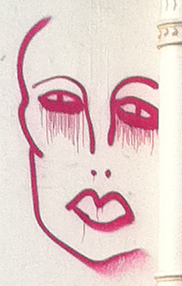
Love the can control in order to over saturate under the eyes and allow the paint to run to create the tears. Noho, New York